-->
≡
Home
Woman
Sport
Business
Health
Privacy Policy
Contact Us
Contact Us
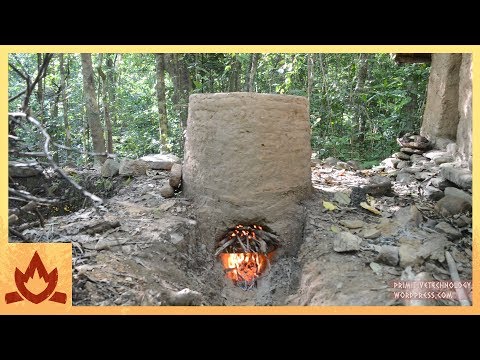
Primitive Technology: Termite clay kiln & pottery
:
:
2017-03-24T23:15:30Z
Friday, 24 Mar 2017 - 11:15 PM
Making a grate from the usual clay I use
It's a bit less than 50 cm in diameter and about 5 cm thick
Making holes in the grate to let the flames through
Getting clay from a termite mound. Termites mouths are to small to include sticks and stones in their structures, so the clay doesn't need processing.
Putting the clay in the pit left behind after building the tiled hut
Crushing the clay
Slaking the clay with water
Treading the clay to break up lumps
Dead palm fronds for tempering the clay
Treading in the palm fiber
Digging the kiln fire box
Fitting the grate
Making the front wall of the firebox
Digging firebox entry
Fire to stiffen clay
Building walls of the ware chamber
Enlargeing firebox entry
Adding grate bars to firebox. These are important as they increase heat production several times.
Another termite nest built on red clay soil
It's a source of clay that keeps replenishing thanks to the worker termites
Crushing
Slaking
Treading
The clay has no stick or rocks in it due to the termites being to small to carry them into the nest
Crushing up an old kiln grate to make grog for the new clay
Mixing grog into the new clay. Grog prevent clay from cracking as it dries.
Making an urn
Adding coils
Scratching the last layer. I have to let the layers so far dry so it doesn't slump. When I come back new wet coils will easily stick to the drier last layer due to the rough surface.
Urn, pot, and 5 tiles made of termite clay. Blower housing and 2 tiles made of normal clay.
In kiln ready to fire
Covering with flat tiles (previously fired)
Making fire
Fire sticks are easier to make and maintain than pump drills and I'm so fast with them now I use them instead
Transfer punk to tinder pile (crushed candle nut leaves)
Blow coal into flames
Add kindling
Making fire under firebox grate to set sticks on grate alight
Adding sticks above grate bars from now on
10 minutes in
1 hour in
2 hours in. I over stacked the firebox and the kiln cooled down a bit as the air supply was choked.
So I let it burn down a bit and only put in a few sticks at a time
2 hours 30 minutes in. The kiln started heating up again.
3 hours in. The pots are glowing a low orange (845 c or 1550 f degrees)
The next day after it cooled down
A broken tile.
First pot ok
The urn spalled but is ok
The forge blower housing is now fired
Spalling was probably due to the urn not being totally dry
Watering cassava patch
Forge blower housing is well fired and water resistant now. It goes in the shed.
Broken tiles go into a pit to be ground into grog later
Spare tiles for the shed
Facebook
Twitter
Google Plus
Primitive Technology
Latest Posts