-->
≡
Home
Woman
Sport
Business
Health
Privacy Policy
Contact Us
Contact Us
What Are Brain Waves?
:
:
2017-11-07T20:47:26Z
Tuesday, 7 Nov 2017 - 08:47 PM
Animals move in all kinds of ways, but one thing all that motion has in common is rhythm.
So it's not really that surprising that the simple neural circuits driving these motions
are basically little rhythm machines, with electrical patterns that give rise to coordinated
motion.
Perhaps more surprising is that crazy complex neural circuits that aren’t dedicated to
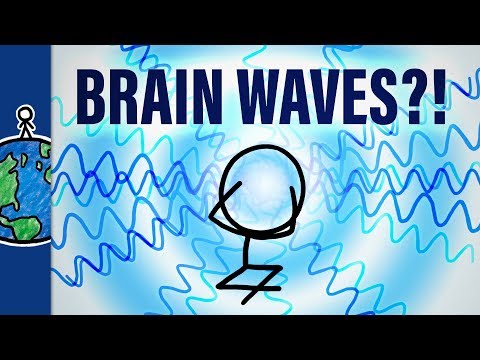
movement also have rhythm: All over our brains all the time, millions of neurons are syncing
up – sometimes for just a fraction of a second – and generating electrical ups and
downs that we can record as brain waves.
In healthy brains, these waves are very consistent - for instance, during normal waking activity,
your brain produces a pattern called the beta rhythm, and, in deepest sleep, it generates
a slower delta rhythm.
In unhealthy brains, on the other hand, we see abnormal brain waves, which suggests that
the rhythms do something important; the question is, what?
One of brainwaves' roles seems to have to do with long-term memory.
During one stage of sleep, short, powerful rhythms deep in the brain trigger the same
sequences of neurons that were active before sleep, creating lasting connections between
them.
We’ve found that, without these rhythms, certain kinds of memories can’t form.
We have lots of other ideas about what exactly brain waves do – from holding information
like phone numbers in our minds, to dictating whether we’re even conscious.
Or maybe the rhythms in our brains are even more important than that – maybe their main
function is to keep time for the brain – to keep all the parts sufficiently synchronized
so that they can work together.
Synchrony in the brain not only enables groups of neurons to fire together and send a strong,
clear signal from one part of the brain to another, it tunes different parts of the brain
in to the same frequencies, coordinating the signals between them.
In some ways, it’s crazy to think that the the incredible things our brains do rely on
repeating, yet fleeting patterns of electrical activity.
But, on the other hand, generating rhythms is sort of what nervous systems evolved to
do in the first place – we really can’t get anywhere without them.
Brains are complicated.
And while it might be frustrating to scientists that we haven't been able to build artificial
brain circuits, it also means that humans aren't completely replaceable...yet.
But as smart machines get smarter, they're going to replace more and more of our jobs.
That's why this video’s sponsor - the new book Robot-Proof by Northeastern University
President and higher-ed futurist Joseph E. Aoun - proposes that universities need to
do more to ensure lifelong education for humans in careers that are the least likely to be
automated - in particular, those that are creative and entrepreneurial.
To learn more about how to become Robot-Proof yourself, click the link in the description.
Why Do India And China Have So Many People? Why Do Rivers Curve? Why Can't Mules Have Babies? Why It Sucks to Be a Male Hyena Why Do Rivers Have Deltas? How Cats Became our Feline Overlords (ft. It's Okay To Be Smart) Where Did Earth's Water Come From? Why So Many Meteorites Come From The Same Place Why Bird Penises Are So Weird Why is All Sand the Same?
Facebook
Twitter
Google Plus
MinuteEarth
Latest Posts